
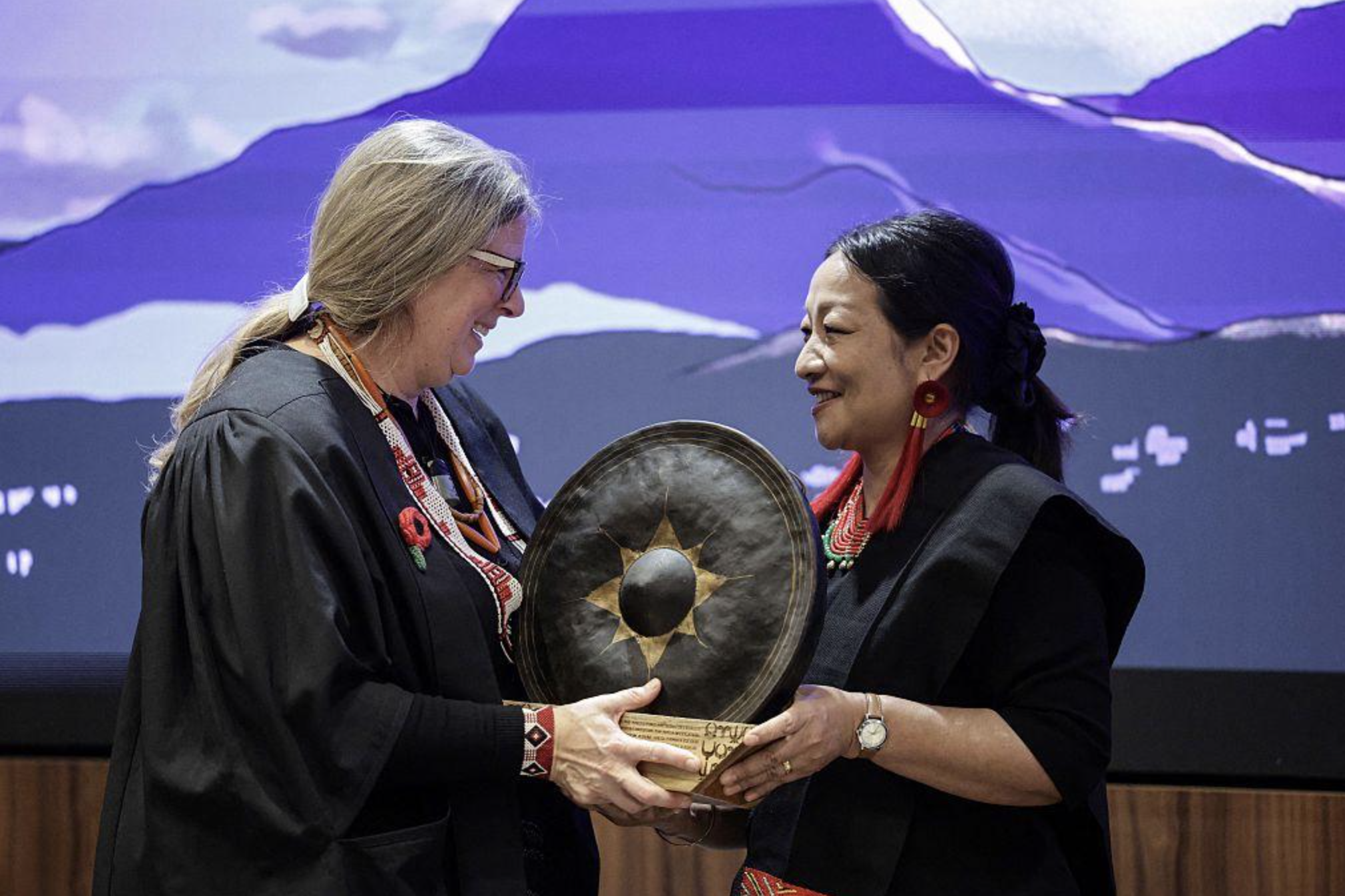

In a historic moment for the Naga people, the University of Oxford in the United Kingdom has formally handed over 39 ancestral human remains, including skulls and other skeletal remains, to representatives of the Naga community after they remained in the university’s Pitt Rivers Museum for more than a century.
The formal handover ceremony took place on November 9, 2026, at the Pitt Rivers Museum in Oxford, where a delegation of nearly 30 representatives from Nagaland travelled to receive the ancestral remains.
The transfer of custodianship was facilitated through the Forum for Naga Reconciliation (FNR) and Naga tribal organisations, marking the culmination of a process that began in 2020.
Ancestral remains taken during British colonial rule
The ancestral remains were brought to Oxford between approximately 1910 and 1940, primarily through two British colonial administrators and anthropologists, John Henry Hutton and James Philip Mills.
Historical accounts indicate that many objects collected during this period were acquired under colonial circumstances, including through punitive military expeditions, rather than through voluntary transfers.
The Pitt Rivers Museum, which houses one of the world’s largest collections of Naga cultural material, has held thousands of artefacts representing Naga history and traditions.
The return of the 39 ancestral remains follows growing international efforts by museums to address the colonial history of collecting Indigenous cultural objects and human remains.
Six-year journey towards repatriation
The Forum for Naga Reconciliation, together with the Recover, Restore and Decolonise (RRaD) initiative and Naga tribal organisations, played a central role in facilitating the process.
In February 2026, the University of Oxford received a formal claim seeking the return of 40 ancestral remains. Following its review, the Oxford University Council approved the return of 39 remains on July 13, 2026. One additional remain was excluded because its Naga provenance could not be clearly established.
The formal transfer of custodianship was signed by Professor Laura Van Broekhoven on behalf of the Pitt Rivers Museum and Rev. Dr Wati Aier representing the Forum for Naga Reconciliation.
The ceremony was attended by Naga representatives, including tribal leaders and members of the reconciliation initiative.
Naga Solidarity Park to become final resting place
Following the handover, the ancestral remains began their journey back to Nagaland, with plans to bring them through Delhi and Dimapur before their final burial at Naga Solidarity Park in Kohima.
Naga representatives have expressed their commitment to providing the ancestors with a dignified and respectful resting place through a joint memorial.
The initiative is also being regarded as a symbol of Naga unity, reconciliation and collective healing across different tribes and communities.
During the ceremony, Naga representatives emphasised that the repatriation was not merely about bringing back historical objects but about restoring dignity to their ancestors and acknowledging the painful experiences associated with colonial history.
A significant moment for Indigenous communities
The return of the ancestral remains is also significant beyond Nagaland. It highlights the growing recognition of Indigenous communities’ rights to reclaim ancestral heritage and determine how their cultural and historical belongings should be preserved.
For the Naga people, the homecoming represents an opportunity to reconnect with an important part of their history while addressing difficult memories of the colonial period.
The Pitt Rivers Museum has also acknowledged the significance of the collaboration with Naga representatives in facilitating the return.
After more than a century away from their homeland, the return of these 39 ancestors marks an important chapter in the continuing journey towards cultural dignity, reconciliation and peace for the Naga people.