
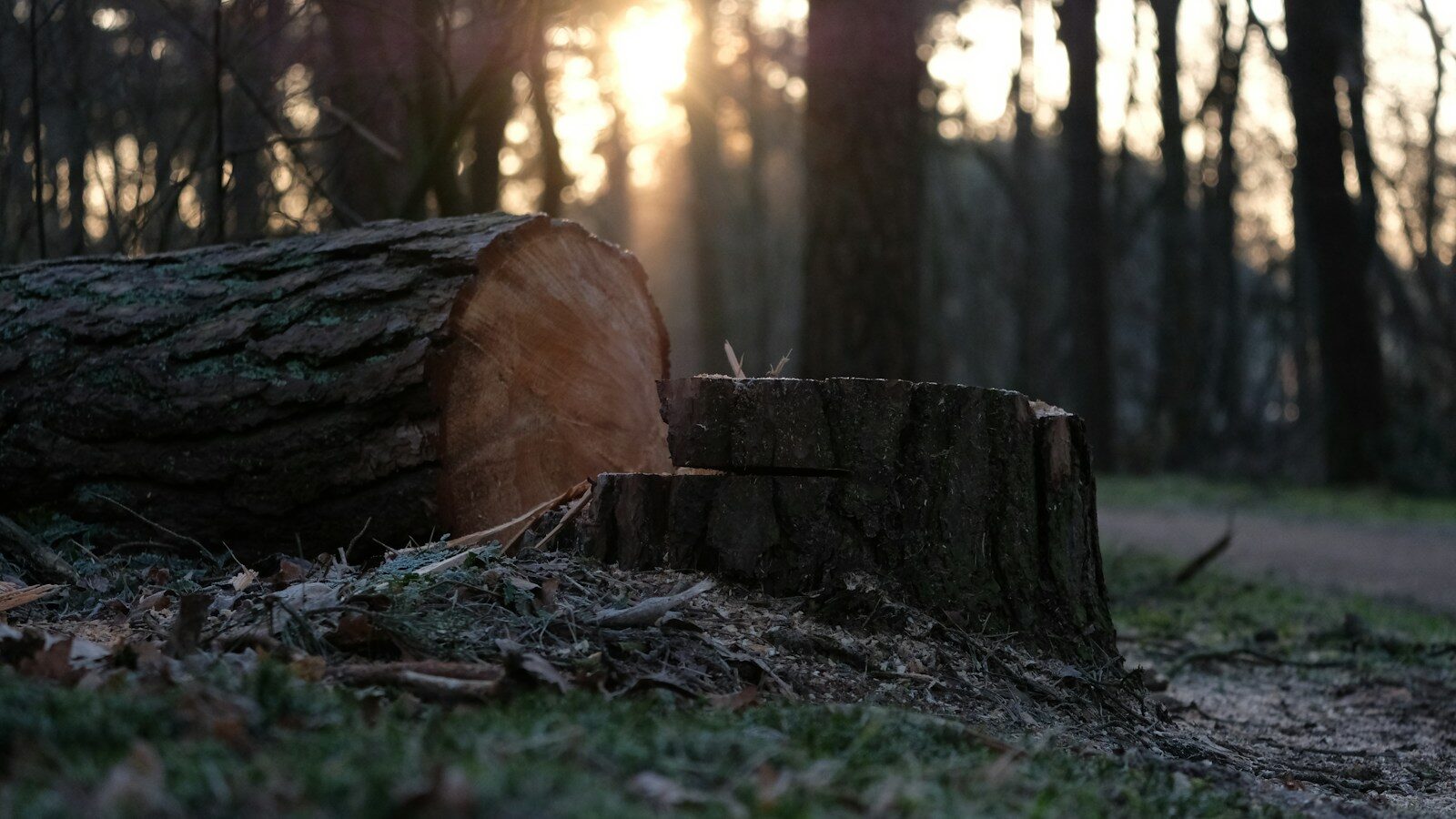

Nagaland has recorded the highest decline in forest cover in India over the decade between 2013 and 2023, losing approximately 795 square kilometres of forest area, according to Y. Kikheto Sema, Development Commissioner and Principal Secretary of the Department of Environment, Forest and Climate Change.
Sema expressed concern over the alarming loss of forest cover and called for stronger community participation in protecting the state’s forests and biodiversity.
According to Sema, the decline accounted for around five per cent of Nagaland’s forest area, as reflected in the India State of Forest Report (ISFR). He further stated that the state lost approximately 235 square kilometres of forest cover between 2019 and 2021 alone.
Rampant Deforestation a Major Concern
Speaking at the closing ceremony of a two-day state-level workshop under the Forest and Biodiversity Management in the Himalayas (Nagaland) Project (FBMP) in Kohima on November 4, Sema said the continuing decline was not merely the result of population growth but was significantly linked to rampant deforestation.
The workshop was held under the theme, “Community Conservation: Celebrating Success and Charting the Future.”
He emphasised that protecting forests and biodiversity requires collective responsibility, particularly from communities that own and manage large portions of Nagaland’s land and forest resources.
Community Ownership Key to Forest Conservation
Highlighting the special land and resource rights protected under Article 371A of the Constitution, Sema said community ownership should not become an obstacle to development and environmental conservation.
He pointed out that the government owns less than four per cent of forest land in Nagaland, while the majority of forest resources are under community ownership.
He stressed the importance of balancing traditional land rights, development and environmental protection, adding that development should not be held back because of Article 371A.
Call for Greater Community Participation
Sema urged the 64 villages covered under the FBMP project to become ambassadors of biodiversity conservation and take greater ownership of protecting their forests, flora and fauna.
He also highlighted the importance of externally aided projects, including German development assistance through KfW, in strengthening forest and biodiversity management in the state.
Referring to the Compensatory Afforestation Fund, he called for more effective forest management and conservation initiatives.
Sema emphasised that forest conservation is not simply an environmental responsibility but an investment in the future of Nagaland and its coming generations.
With the state facing significant forest cover losses, stronger community-led conservation, sustainable land-use practices and coordinated government action will be crucial in addressing the growing environmental challenge.