

In a dramatic turnaround that has ended months of nail-biting uncertainty, Indian football fans can finally breathe easy. The broadcasting rights for the 2026 FIFA World Cup are set to be officially secured for the Indian subcontinent, with a formal announcement expected as early as next week.
According to sources close to the development, the deal—valued between USD 30 and 35 million—ensures that the largest World Cup in history (featuring 104 matches) will be fully accessible to viewers across India. The agreement comes as a massive relief for the country’s swelling football faithful, who had feared missing out on the global showpiece event due to a protracted negotiation deadlock.
The Broadcast Battle
The race for the rights saw intense last-minute maneuvering. While JioHotstar—which aired the 2022 World Cup in Qatar—reportedly held firm on a valuation of approximately USD 20 million, it was the Zee network that has emerged as the surprise frontrunner. Zee is currently preparing a major comeback into the sports broadcasting space after a hiatus, with Sony and FanCode opting to stay out of the fray.
Former All India Football Federation (AIFF) General Secretary Shaji Prabhakaran confirmed the positive trajectory of talks, stating on Saturday that negotiations are “complete” and that an official announcement is imminent.
FIFA’s Flexible Strategy
The successful negotiation appears to be part of a broader strategic shift by FIFA. Globally, soccer’s governing body has adopted a more flexible commercial strategy for certain Asian territories. In a stunning precedent, China reportedly secured its 2026 World Cup rights at nearly an 80 percent discount compared to previous cycles—a move that contrasts sharply with the premium prices still commanded across European markets.
The Late-Night Challenge
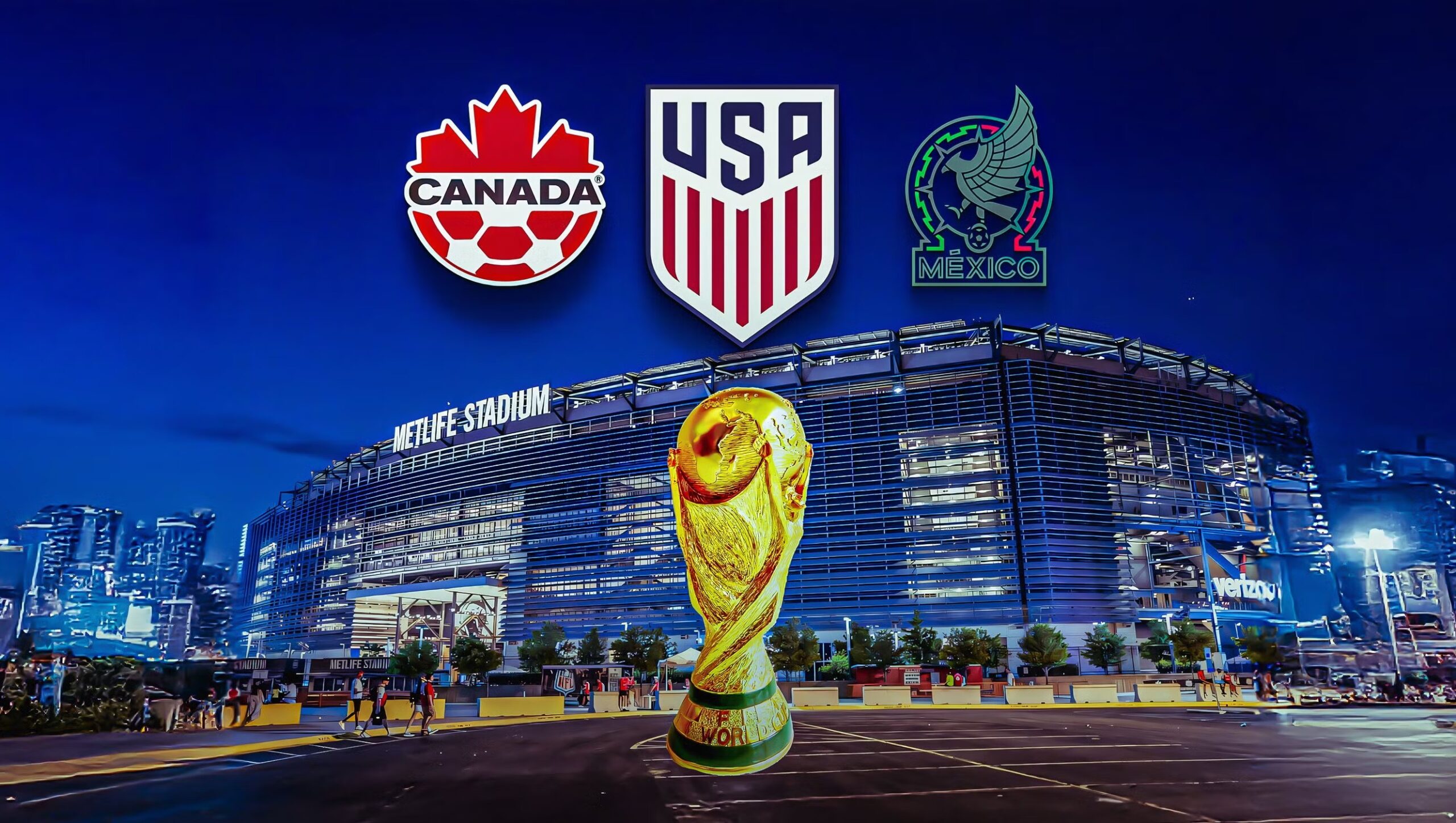
Despite the celebratory mood, broadcasters face a unique hurdle. Due to the tournament being hosted across the USA, Canada, and Mexico, nearly 90 percent of the 104 matches will kick off between midnight and 6:00 AM Indian Standard Time (IST).
This “graveyard slot” presents a significant challenge for advertisers, especially given that the Indian national team has not qualified for the tournament. Broadcasters are expected to rely on loyal fanbase engagement and studio-led analysis rather than prime-time mass viewership to drive revenue.
For now, however, fans are simply celebrating the victory off the pitch—ensuring that whether they watch under the midnight sun or the early morning stars, the world’s biggest football spectacle will be on their screens.