

Dimapur District in the Indian state of Nagaland underwent a major territorial change in December 2021, when two new districts (Niuland and Chuoukedima) were carved out of it. It is a metropilitian, multi lingual and diverse district, also known as the commercial hub of Nagaland.
Key facts
History
- Dimapur was the ancient capital of the Dimasa Kachari Kingdom before the rise of the Ahoms. The famous Kachari Ruins in the heart of the city, with their unique mushroom-domed pillars, are remnants of this era .
- During WWII, Dimapur was a crucial staging post for the Allied forces. Its railway station and airport were vital for supplying troops during the Battle of Kohima, which turned the tide against the Japanese .
Importance
- Dimapur is the undisputed economic capital of Nagaland. Most businesses, banks, and trading houses are headquartered here .
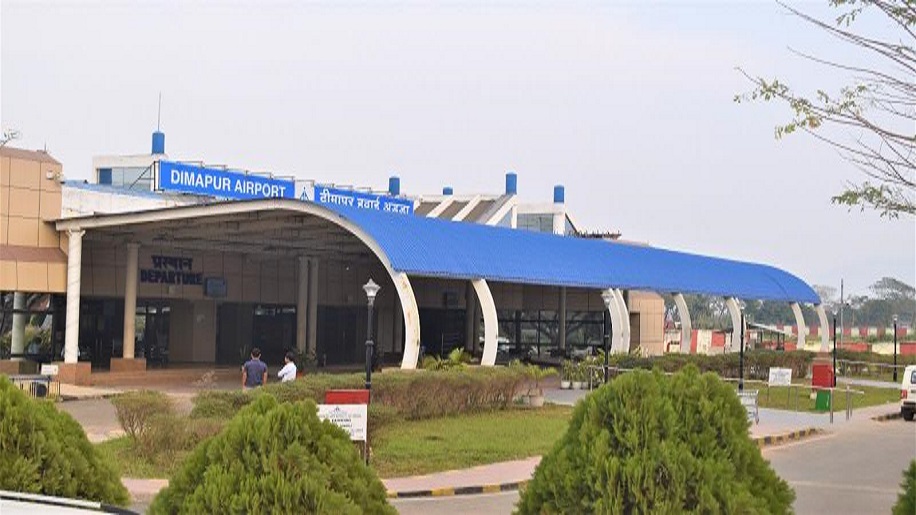
- It is the only district in Nagaland with both a major railway station (the second busiest in Northeast India) and an airport, making it the primary entry point for visitors to the state .
Attractions
- Kachari Ruins: Ancient brick and stone pillars dating back to the 10th century, left by the Dimasa Kingdom. They are located in the center of the city .
- Rangapahar Wildlife Sanctuary: A small but ecologically significant sanctuary located within the district, home to species like the Hoolock Gibbon and the Golden Langur .
- Diezephe Craft Village: A unique village known for its Diezephe Craft Museum, which showcases traditional Naga woodcarving, weaving, and textile heritage .
- Green Park & NEZCC: The North East Zone Cultural Centre (NEZCC) complex and Green Park are cultural hubs that host art performances, exhibitions, and local events