

The excitement grows as the FIFA world cup 2026 gets nearer. Here are some interesting facts about the FIFA World Cup 2026 to be held in the USA, Mexico and Canada.
Record prize MoneyThe financial rewards for competing in this historic tournament are also at an all-time high. The total prize money pool is a record $727 million USD. The winning team will take home an impressive $50 million USD.
The most significant change is the tournament’s expansion.
- A 48-Team Spectacle: For the first time, 48 nations will compete, a 50% increase from the previous 32-team format.
- First-Time Debutants: At least four nations are set to make their World Cup debuts: Cape Verde, Curaçao, Jordan, and Uzbekistan.
- Historic Asian Representation: Thanks to the expanded slots, Asia will be represented by a record 9 teams, the highest number in the continent’s history.
- First Guaranteed Spot for Oceania: For the first time, the Oceania Football Confederation (OFC) is guaranteed one direct spot in the tournament.
With more teams comes an entirely new tournament structure.
- The “Round of 32”: The knockout stage will feature a new “Round of 32,” as the top two from each group and the eight best third-place teams all advance to the first knockout round.
- Eight Matches to the Trophy: A champion will have to win eight matches (up from the traditional seven) to lift the trophy.
- More Football: The tournament will feature a total of 104 matches (40 more than before), including 72 group stage games and 32 knockout matches.
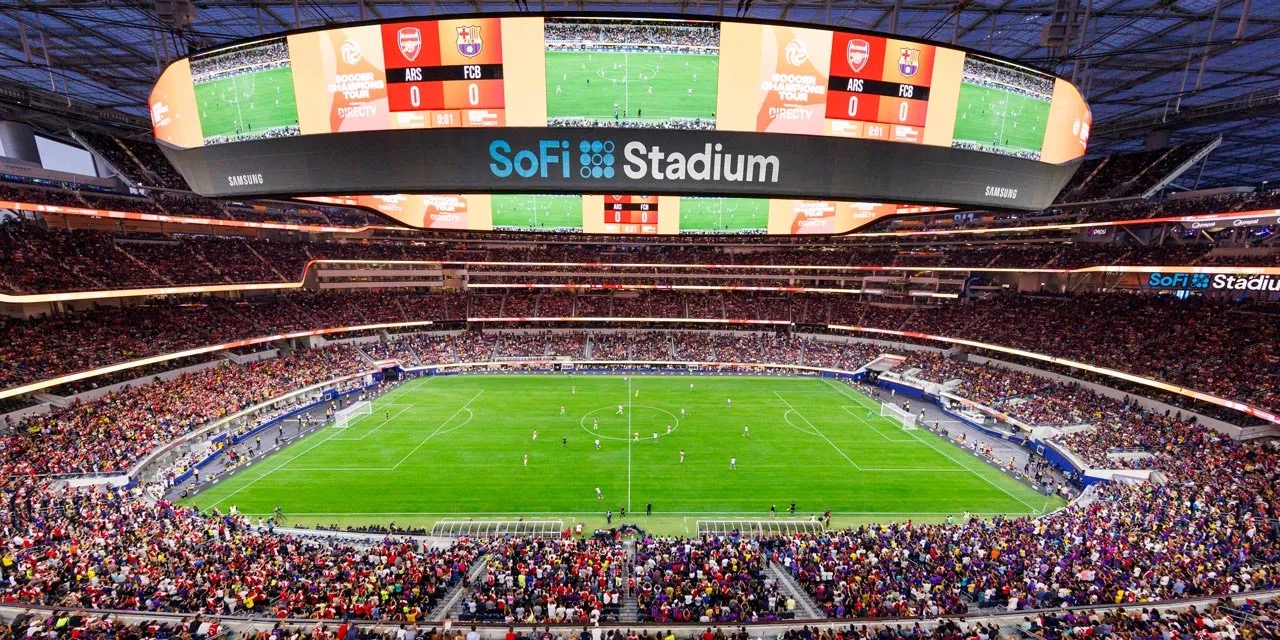
The 2026 World Cup will also be a showcase for new technology and rule changes designed to improve the game.
- VAR Gets an Upgrade: The Video Assistant Referee (VAR) system will be expanded. Crucially, referees will now be able to review plays involving second yellow cards, which was not previously possible.
- New Offside Tech: A new high-tech offside system will be used, promising faster and more accurate decisions than the current VAR system.
- Timers to Speed Up Play: New rules will impose strict time limits on restarts. For example, throw-ins may have a 5-second limit, and goalkeepers will only have 8 seconds to release the ball. Players may also be required to leave the field for a minute after receiving treatment.